Stolen Sounds and Borrowed Visions: Navigating the Murky Ethics of DIY Remix Culture
Every great remix starts with an act of theft. Or at least, that's what the lawyers would have you believe.
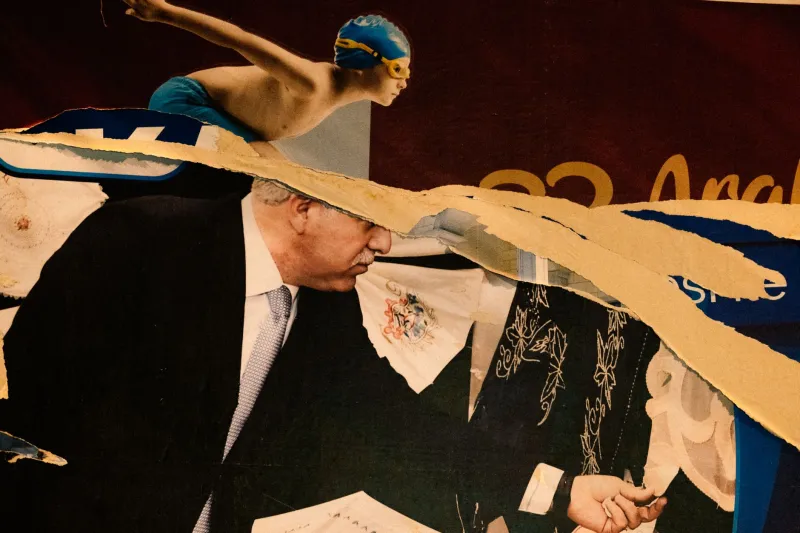
In basements and bedrooms across America, a generation of makers is doing what artists have always done — grabbing pieces of the culture around them and reassembling those fragments into something new, something stranger, something that hits different than the original ever did. A zine that lifts a corporate logo and turns it into anti-capitalist satire. A lo-fi beat built around a sample from a 1970s soul record nobody's heard in thirty years. A collage that stitches together movie stills, vintage ads, and protest photography into a visual argument its source materials never intended to make.
This is remix culture. It is also, depending on who you ask, copyright infringement, cultural appropriation, or the most important creative tradition of the last half-century.
Often, it's all three at once.
The Lineage of the Lift
Before we get into the ethics, let's acknowledge the history, because remix culture didn't invent itself out of nowhere. Hip-hop built an entire genre on the practice of sampling — taking fragments of existing recordings and transforming them through context, layering, and reinterpretation. Punk zine culture in the late '70s and '80s thrived on cut-and-paste aesthetics that cheerfully stole imagery from mainstream media and weaponized it back at the culture that produced it. Andy Warhol made a career out of appropriating commercial imagery. Marcel Duchamp put a urinal in a gallery and called it art.
The act of taking something that exists and making it mean something different is not a bug in creative culture. It might be the central feature.
But the legal infrastructure surrounding creativity was not built with this tradition in mind. Copyright law in the United States was designed primarily to protect commercial interests — to give creators and, more importantly, corporations a window of exclusive control over their work. Fair use provisions exist, but they're frustratingly vague, expensive to defend, and disproportionately accessible to people who can afford lawyers.
For the DIY underground, this creates a permanent state of creative risk that most practitioners have simply learned to live inside.
The Gray Zone Is Where the Good Stuff Lives
Talk to enough zine makers, sample-based producers, and collage artists and you start to hear the same complicated calculus repeated in different forms. There's a kind of informal ethics that operates in the underground — unwritten rules about what's fair game and what crosses a line.
Generally, the community tends to give a pass to work that transforms its source material significantly, that punches up rather than down, that doesn't commercially exploit the original creator, and that exists in spaces where the original rights holder would never realistically encounter it. A limited-edition zine run of 200 copies that parodies a fast food corporation's branding? Most underground creators consider that firmly in the "go for it" category.
But the ethics get thornier fast. What about sampling a lesser-known musician without credit? What about lifting imagery from a working artist — not a corporation, but an actual human being trying to pay rent — without permission? What about the collage artist who appropriates visual elements from Indigenous traditions they have no personal connection to?
These questions don't have clean answers, and the underground doesn't always handle them well.
When the Legal System Shows Up
Jordan Marks (name changed at their request) is a Chicago-based visual artist who spent two years building a zine series that incorporated heavily manipulated samples of vintage advertising imagery alongside original photography. The work was critical, formally inventive, and had developed a genuine following in Midwest indie art circles.
Then a cease-and-desist arrived from a legacy media company claiming ownership over some of the source materials.
"The thing that messed me up wasn't even the legal threat," Marks says. "It was realizing how completely the system is set up to make you disappear. I couldn't afford to fight it. So I just... stopped making that work."
This is the outcome copyright enforcement most reliably produces in the underground: not justice, but silence. The chilling effect of legal threats falls hardest on the people with the least institutional backing — which, in DIY culture, is almost everyone.
Sampling legend Danger Mouse famously ran into this when his Grey Album — a mashup of Jay-Z's Black Album and the Beatles' White Album — was hit with cease-and-desist orders from EMI in 2004. The response from the internet was a coordinated act of civil disobedience called "Grey Tuesday," during which thousands of sites distributed the album simultaneously. It became a landmark moment in the remix culture wars, and it clarified something important: the underground doesn't always accept the legal framework as the final word on what's ethical.
Cultural Appropriation: The Harder Conversation
Copyright is actually the easier half of this discussion. The conversation about cultural appropriation within remix culture is messier, more personal, and ultimately more important.
Remix culture's appetite for source material doesn't discriminate by origin. But the humans whose cultural traditions, aesthetics, and histories get remixed absolutely experience the consequences of that non-discrimination differently.
When a white bedroom producer lifts musical elements from West African traditions without credit, context, or compensation, the legal system probably has nothing to say about it. But the ethical weight is real. The same creative freedom that makes remix culture vital can also make it extractive — a machine that consumes marginalized cultural production and redistributes it, stripped of origin and meaning, to audiences that may never connect the output back to its source.
This tension doesn't resolve neatly. Many practitioners in the underground are actively grappling with it, building personal practices around credit, collaboration, and consent that go beyond what copyright law requires. Others argue that all culture is inherently remix, that the concept of cultural ownership is itself a Western legal construction, and that policing the flow of influence between communities does more harm than good.
Both positions contain truth. Neither contains the whole truth.
Does the Underground Need a Code?
Some corners of the DIY community have started experimenting with informal frameworks — community norms, collective agreements, and ethical guidelines that operate independently of the legal system. Creative Commons licensing has given some creators a vocabulary for sharing work on their own terms. Certain zine fests and indie music communities have developed explicit policies around sampling, credit, and appropriation.
But there's genuine resistance to formalization, and it's not entirely cynical. The underground has always derived some of its power from operating outside institutional frameworks. The moment you start writing down the rules, you start building the infrastructure for enforcement — and enforcement in creative spaces has a long history of being wielded against the most vulnerable people in those spaces, not the most powerful.
Maybe the answer isn't a code. Maybe it's a culture — one that holds space for creative freedom and genuine accountability simultaneously. One that can say "this transformation is legitimate" and "this extraction is harmful" without needing a lawyer to make the call.
The chaos of remix culture is what makes it alive. But chaos without conscience is just noise.
The best makers in the underground already know the difference. The challenge is making sure the whole community catches up.