
As global demand for water increases, the need for accurate monitoring tools becomes essential. A water quality meter has emerged as a critical solution, enabling industries and organizations to analyze water conditions with precision and reliability.
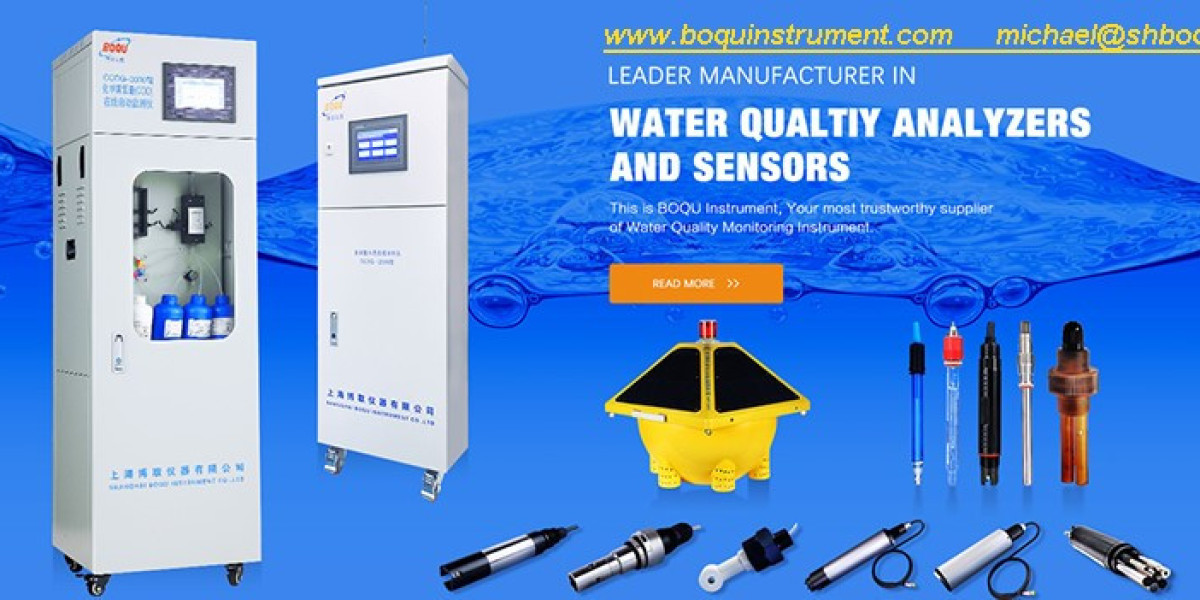
A water quality meter is designed to measure a wide range of parameters that determine water safety and usability. These include pH, conductivity, turbidity, dissolved oxygen, and total dissolved solids (TDS). By evaluating these indicators, businesses and environmental agencies can detect contamination, monitor treatment processes, and ensure that water meets required standards. This is particularly important in industries where water quality directly impacts product quality and operational efficiency.
One of the biggest advantages of modern water quality meters is their real-time monitoring capability. Unlike traditional methods that rely on manual sampling, advanced meters provide continuous data, allowing users to identify issues instantly. This proactive approach helps prevent system failures, reduces maintenance costs, and ensures uninterrupted operations. Industries such as power generation, chemical processing, and wastewater treatment greatly benefit from these advanced monitoring systems.
Environmental protection is another major area where water quality meters play a vital role. Governments and regulatory bodies use these instruments to monitor natural water bodies, including rivers, lakes, and groundwater sources. Continuous data collection helps identify pollution trends and supports the development of effective environmental policies. As climate change and industrialization continue to impact ecosystems, reliable monitoring tools are more important than ever.
In addition to industrial and environmental uses, water quality meters are essential in ensuring public health and safety. Municipal water treatment plants rely on these devices to monitor drinking water quality and maintain compliance with health standards. Similarly, facilities such as swimming pools and aquaculture farms use water quality meters to maintain optimal conditions and prevent health risks. This wide range of applications highlights the versatility and importance of these instruments.
Technological advancements have further enhanced the capabilities of water quality meters. Modern devices feature smart sensors, automated calibration, and digital integration, making them more efficient and user-friendly. These innovations allow users to access data remotely, analyze trends, and make informed decisions quickly. As a result, organizations can improve their water management strategies and achieve better outcomes.
For businesses seeking reliable monitoring solutions, investing in a high-performance water quality meter can significantly enhance operational efficiency. These devices not only provide accurate measurements but also help reduce environmental impact by ensuring proper water treatment and usage.
In conclusion, water quality meters have become indispensable tools in modern water management. Their ability to deliver accurate, real-time data makes them essential for industries, environmental agencies, and public health organizations. As the demand for clean water continues to grow, adopting advanced monitoring technologies will be key to ensuring sustainability, safety, and long-term resource management.